Nestled deep within the Indian Himalayas, Zanskar is one of the last remaining frontiers of untouched natural beauty. Known as the "Land of White Copper," Zanskar is a remote valley located in the Kargil district of the Union Territory of Ladakh. Surrounded by towering snow-capped mountains, ancient Buddhist monasteries, turquoise rivers, dramatic gorges, and charming villages, Zanskar is a dream destination for travelers seeking adventure, spirituality, and authentic Himalayan culture.
Unlike many popular tourist destinations, Zanskar has managed to preserve its pristine landscapes and centuries-old traditions. Whether you're planning an adventurous road trip, an unforgettable trek, or a peaceful cultural journey, Zanskar offers experiences unlike anywhere else in India.
In this comprehensive guide, you'll discover everything about Zanskar, including its history, geography, culture, attractions, and why it deserves a place on every traveler's bucket list.
Zanskar Quick Facts
🗺️
Location
Kargil, Ladakh
📈
Avg Altitude
3,500 meters
🛣️
Main Highway
NH-301 (Padum)
☸️
Major Religion
Tibetan Buddhism
What is Zanskar?
Zanskar is a high-altitude valley situated at an average elevation of 3,500 to over 7,000 meters (11,500–23,000 feet) above sea level. It lies between the Great Himalayan Range and the Zanskar Range, making it one of the most isolated regions in the Indian Himalayas.
The valley is connected to the outside world through several routes:
Kargil–Padum Highway (NH-301)
The historical main artery running through the scenic Suru Valley and crossing Pensi La Pass.
Shinku La Pass
The newly built southern route connecting Zanskar to Lahaul Valley (Himachal Pradesh) and Manali.
Singge La Pass / Leh Route
The direct road route linking Padum directly to Leh via Wanla and Sirsir La.
Seasonal Trekking Routes
Traditional trekking paths connecting Zanskar with Lahaul, Spiti, and Leh.
Today, improved road infrastructure has made Zanskar more accessible than ever before while still retaining its untouched charm.
Why is Zanskar Called the "Land of White Copper"?
The name Zanskar has fascinated historians and linguists for centuries. One of the most widely accepted explanations is that the word is derived from the Tibetan term "Zangskar", which translates to "White Copper".
The phrase combines:
- Zang – meaning copper
- Kar – meaning white
Theories Behind the Name:
1. The region contains mineral-rich mountains with copper-colored rocks covered in snow, giving them a striking white appearance.
2. Ancient traders believed valuable copper deposits and minerals were hidden within the mountains.
3. The brilliant Himalayan sunlight reflecting off the snow-covered peaks creates a metallic shine resembling polished white copper.
Regardless of its exact origin, the title "Land of White Copper" perfectly captures the valley's extraordinary natural beauty.
Geography of Zanskar
The geography of Zanskar is one of its most remarkable features. The valley is enclosed by rugged mountain ranges that protect its unique ecosystem and traditional lifestyle.
Key geographical highlights include:
- Average valley floor elevation of around 3,500 meters
- Surrounded by peaks exceeding 6,000–7,000 meters (such as Nun Kun and Mount Gumburanjon)
- Home to the famous Zanskar River (formed by the confluence of Doda and Tsarap rivers)
- Numerous glaciers (including the massive Drang-Drung Glacier) and alpine meadows
- Deep canyons and gorges carved by rivers over thousands of years
The rugged peaks and deep river gorges of Zanskar Valley. Photo by Zulkarnain.
The region experiences long, harsh winters and short but pleasant summers, making it a spectacular destination for nature lovers and photographers.
History of Zanskar
The history of Zanskar dates back more than a thousand years. It was once an independent Himalayan kingdom before becoming part of the Kingdom of Ladakh, and later, the state of Jammu & Kashmir and now the Union Territory of Ladakh.
Throughout history, Zanskar served as an important cultural and trade crossroads connecting:
- Tibet
- Kashmir
- Ladakh (Leh)
- Himachal Pradesh (Lahaul & Spiti)
Ancient trade caravans crossed the high mountain passes carrying salt, wool, silk, spices, and precious stones. The valley also became an important center of Tibetan Buddhism, with magnificent monasteries established between the 10th and 15th centuries. These monasteries continue to preserve ancient manuscripts, murals, sculptures, and Buddhist traditions.
The Culture of Zanskar
One of the greatest attractions of Zanskar is its vibrant cultural heritage. Life here has remained largely unchanged for centuries due to the valley's geographical isolation. Local communities continue to follow traditional lifestyles deeply rooted in Tibetan Buddhist customs.
Visitors can experience:
- Traditional flat-roofed stone and mud-brick houses
- Colorful summer monastic festivals (Gustors) with sacred Cham mask dances
- Prayer flags fluttering across mountain passes and chortens bordering villages
- Ancient Buddhist rituals, spinning prayer wheels, and mani stones
- Warm Himalayan hospitality in traditional homestays
- Handmade woolen clothing, rugs, and unique brass and copper utensils
Agriculture and livestock farming remain the primary occupations, with barley, peas, and potatoes being the main crops, and yaks and sheep providing wool, dairy, and agricultural support.
Buddhism in Zanskar
Zanskar is one of the spiritual heartlands of Tibetan Buddhism. The valley is home to several centuries-old monasteries belonging to the Gelugpa (Yellow Hat) and Drukpa Kagyu sects:
- Karsha Monastery: The largest monastery in Zanskar, overlooking the Padum plain, famous for its grand structure and stunning murals.
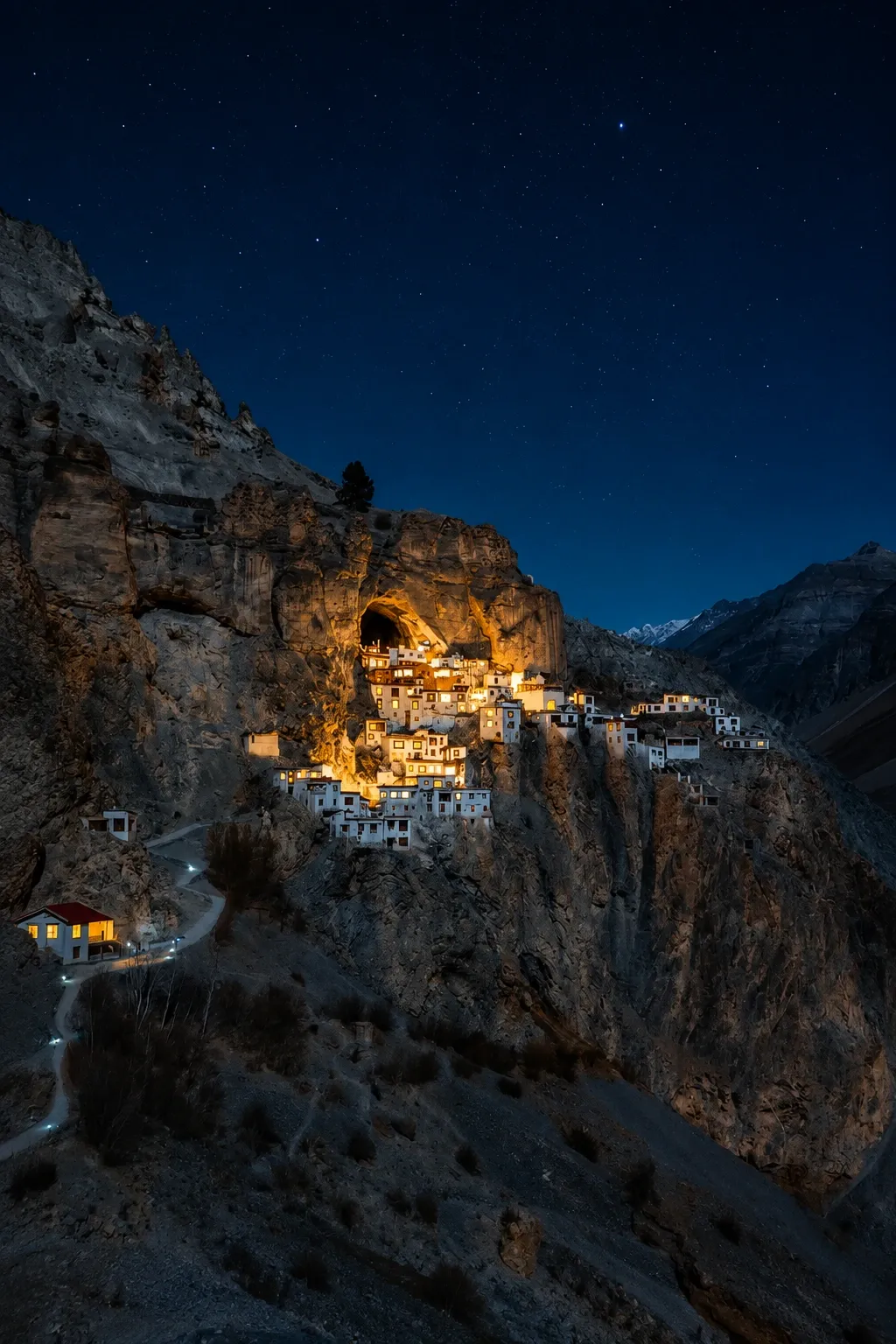
- Phugtal Monastery: Built inside the mouth of a massive cave in southeastern Zanskar, it resembles a honeycomb and is one of the most remote monasteries in the world.
- Stongde Monastery: Perched on a rocky cliff, offering panoramic views of the valley floor and known for its active community of monks.
- Sani Monastery: One of the oldest monasteries in Ladakh, built on flat land and associated with the great saint Padmasambhava.
- Bardan Monastery: A 17th-century monastery situated on a dome-shaped rock along the Tsarap River.
These monasteries are not only places of worship but also centers of learning, art, and history. Visitors often witness monks performing daily prayers, meditation sessions, and colorful religious ceremonies that offer a glimpse into Himalayan Buddhist traditions.
Natural Beauty of Zanskar
Few places in the Himalayas can rival the breathtaking scenery of Zanskar. Every season transforms the valley into a completely different landscape.
During summer, visitors can enjoy:
- Lush green valleys contrasted with high-altitude arid cold deserts
- Crystal-clear turquoise rivers slicing through towering rocky canyons
- Blooming wildflowers in alpine meadows
- Snow-covered mountain peaks under pristine blue skies
- Scenic, sleepy villages surrounded by green barley fields
- High-altitude glacial lakes reflecting the surrounding peaks
In winter, Zanskar becomes a magical snow-covered wonderland famous for the legendary Chadar Trek, where adventurers walk across the frozen Zanskar River under freezing conditions.
Adventure Tourism in Zanskar
Adventure enthusiasts consider Zanskar one of India's premier destinations. The raw terrain offers challenges for explorers of all kinds.
Popular adventure activities include:
- Trekking: From short village-to-village hikes to challenging routes like the Padum-to-Darcha trek or the trek to Phuktal Monastery.
- White Water Rafting: Rafting in the Zanskar River gorge (Grade IV rapids) is considered one of the best river runs in Asia.
- Motorbike & 4x4 Expeditions: Off-road driving across high passes like Pensi La and Shinku La.
- Camping: Sleeping under the starlit sky in high-altitude meadows.
- Wildlife Photography: Tracking rare wildlife in the rugged mountain peaks.
Wildlife in Zanskar
The rugged mountains of Zanskar support a rich variety of Himalayan wildlife adapted to the extreme cold desert environment:
- Snow Leopard: The elusive "ghost of the mountains" hunts in the high rocky ridges.
- Himalayan Blue Sheep (Bharal) & Ibex: Commonly seen grazing on steep cliffs.
- Tibetan Wolf & Red Fox: Key predators roaming the valleys.
- Himalayan Marmots: Active during the warm summer months near rivers.
- Golden Eagle, Bearded Vulture (Lammergeier) & Himalayan Griffon: Soaring high above the peaks.
The valley forms part of an important high-altitude ecosystem, making it a paradise for wildlife enthusiasts and birdwatchers.
Climate of Zanskar
The climate of Zanskar is classified as a cold desert climate, characterized by extreme temperatures and very low precipitation.
| Season |
Months |
Average Temperature |
Key Highlights & Activities |
| Summer |
May – September |
10°C to 25°C (Day)
-2°C to 8°C (Night) |
Pleasant weather, clear blue skies. Best season for sightseeing, road trips, camping, and trekking. |
| Winter |
October – April |
-15°C to -5°C (Day)
-30°C to -20°C (Night) |
Heavy snowfall, frozen rivers. Ideal for winter adventure expeditions like the legendary Chadar Trek. |
Why You Should Visit Zanskar
Unlike crowded hill stations, Zanskar offers peace, solitude, and authentic Himalayan experiences. Key reasons to add it to your travel plans include:
- Untouched & Uncrowded: Pristine landscapes free from mass commercial tourism.
- Ancient Monasteries: Centuries-old spiritual structures like Phuktal and Karsha.
- Epic Road Trips: Driving through dramatic mountain loops and crossing high passes.
- Authentic Homestays: Connecting with warm local communities and learning about their unique lifestyle.
- Incredible Photography: Majestic vistas of Mount Gumburanjon, winding rivers, and glaciers.
The Future of Zanskar Tourism
With new highways, improved connectivity (like the all-weather tunnel under Shinku La), and increasing recognition among travelers, Zanskar is emerging as one of India's most exciting travel destinations.
However, sustainable tourism remains essential to protect its fragile ecosystem and unique cultural identity. Visitors are encouraged to travel responsibly by minimizing waste, avoiding single-use plastics, respecting local traditions, supporting local homestays and businesses, and preserving the valley's pristine environment.
Conclusion
Zanskar, the legendary Land of White Copper, is much more than a remote Himalayan valley—it is a destination where breathtaking landscapes, ancient monasteries, rich cultural traditions, and thrilling adventures come together in perfect harmony. From its towering mountain ranges and winding rivers to its peaceful villages and timeless Buddhist heritage, Zanskar offers an experience that few places on Earth can match.
Whether you are planning a scenic road trip, a spiritual retreat, a trekking expedition, or simply wish to discover one of India's hidden gems, Zanskar promises an unforgettable journey into the heart of the Himalayas. As tourism continues to grow, visiting Zanskar responsibly will help preserve its natural beauty and cultural legacy for future generations.
Zanskar Valley FAQs
Where is Zanskar Valley located?
Zanskar Valley is located in the Kargil district of the Union Territory of Ladakh, in the northern part of India. It lies between the Great Himalayan Range and the Zanskar Range.
Why is Zanskar called the "Land of White Copper"?
The name comes from the Tibetan term "Zangskar" ("Zang" for copper, "Kar" for white). It is believed to represent the copper-colored mountains covered in white snow, or the metallic gleam reflecting from the peaks under the sun.
How can I reach Zanskar Valley by road?
You can reach Zanskar by road via three routes: (1) From Kargil through the Suru Valley crossing Pensi La Pass (NH-301); (2) From Manali (Himachal Pradesh) crossing Shinku La Pass; (3) From Leh directly via Singge La Pass.
Is an Inner Line Permit (ILP) required for Zanskar?
No, domestic Indian tourists do not need an Inner Line Permit (ILP) to visit Kargil, Padum, or Zanskar Valley. However, foreign nationals must obtain a Protected Area Permit (PAP) to visit these regions.
What is the famous winter trek in Zanskar?
The famous winter trek is the Chadar Trek. It is a legendary expedition where adventurers walk on the frozen surface of the Zanskar River during the coldest months of January and February, when temperatures drop below -25°C.
💬 Comments (1)